The Artifact


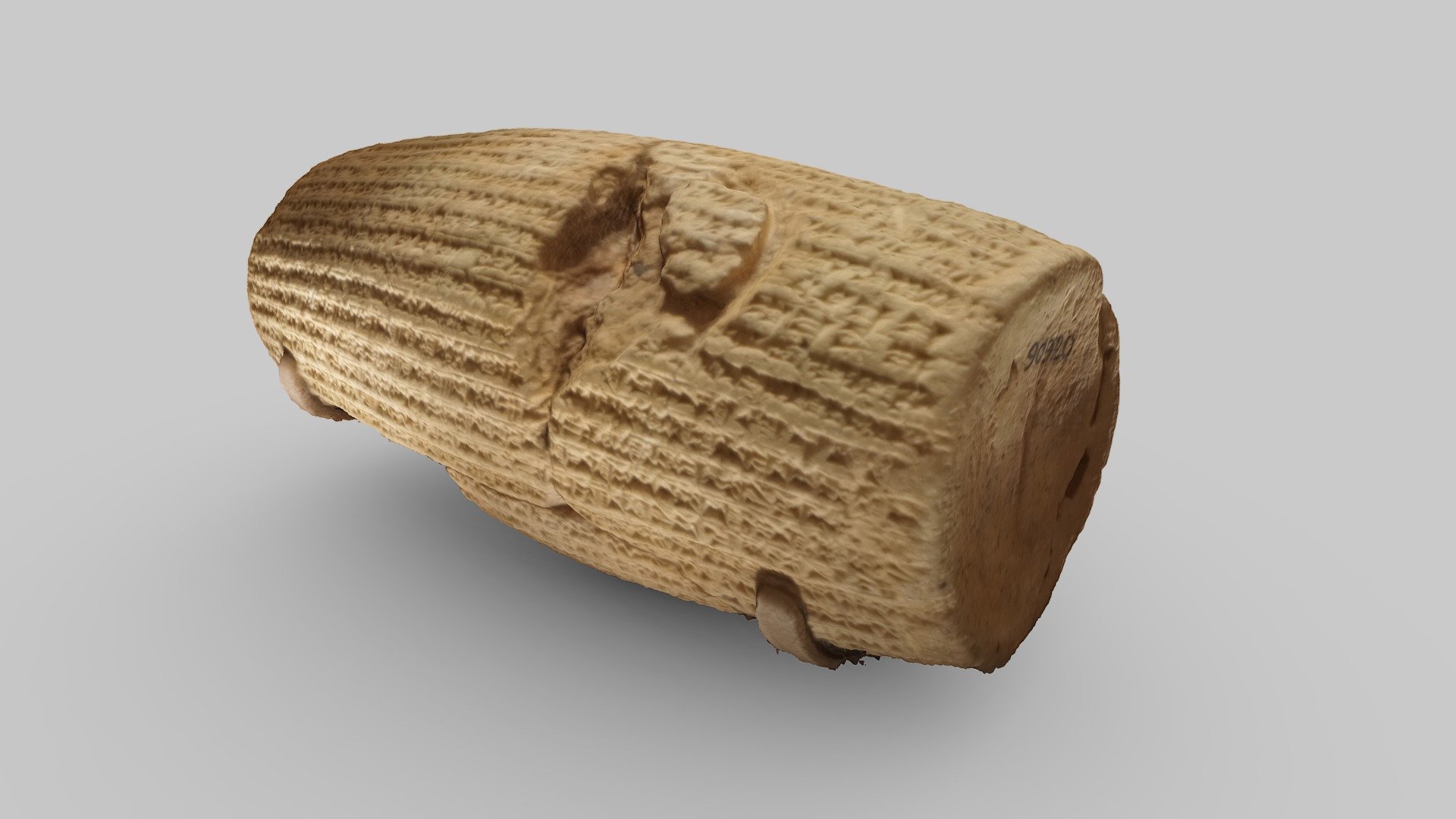
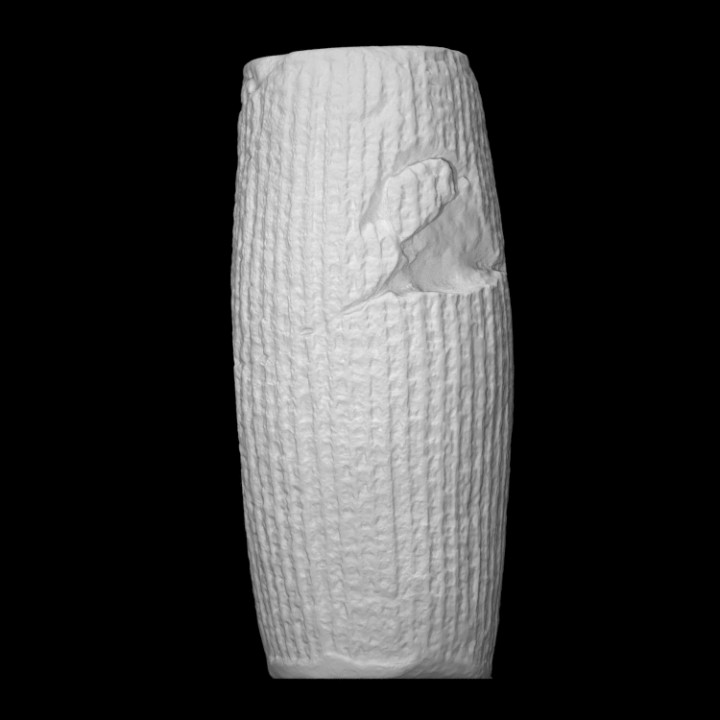
Discovered: 1879, Babylon (Iraq)
Date: ~539 BC
Material: baked clay, Akkadian cuneiform writing
Kept at: British Museum
The cylinder is an official imperial document of the Persian king Cyrus the Great, issued after the conquest of Babylon.
1. What the cylinder says (translated summary)
The text states that:
- Cyrus was chosen by a divinity to rule
- He brought peace after the Babylonian reign
- He freed deported peoples
- He allowed them to return to their homelands
- He restored temples and sacred objects
An imperial policy of religious restoration — exactly the setting described in the Bible.
2. Parallel biblical account
Ezra 1:1–3
“The Lord stirred up the spirit of Cyrus…
Whoever among you belongs to His people may go up to Jerusalem and build the house of the Lord.”
2 Chronicles 36:22–23
“The Lord stirred up the spirit of Cyrus king of Persia…”
The Bible presents the decree not merely as political — but as the fulfillment of God’s will.
3. Prophecy made about 150 years earlier
Isaiah 44:28
“Who says of Cyrus, ‘He is My shepherd.’”
Isaiah 45:1
“Thus says the Lord to His anointed, to Cyrus…”
The book of Isaiah predates the historical appearance of Cyrus, presenting a rare named prophecy in antiquity.
4. Direct comparison: Bible vs Archaeology
| Cyrus Cylinder | Bible |
|---|---|
| Allows peoples to return | Jews return from exile |
| Restoration of temples | Rebuilding of the Temple in Jerusalem |
| Return of sacred objects | Temple vessels restored |
5. Archaeological significance
The cylinder does not explicitly mention Israel (it was one of many peoples), but it confirms the exact policy described in the Bible — a general decree also applied to the Jews.
Thus, the Bible does not describe an isolated or invented event, but a historically verifiable imperial decree.
Central idea of the study
Archaeology confirms the historical framework.
The Bible explains the spiritual meaning of that framework.
History tells what happened.
The Bible tells why it happened.
Leave a Reply