Tall el-Hammam

4
What archaeologists found
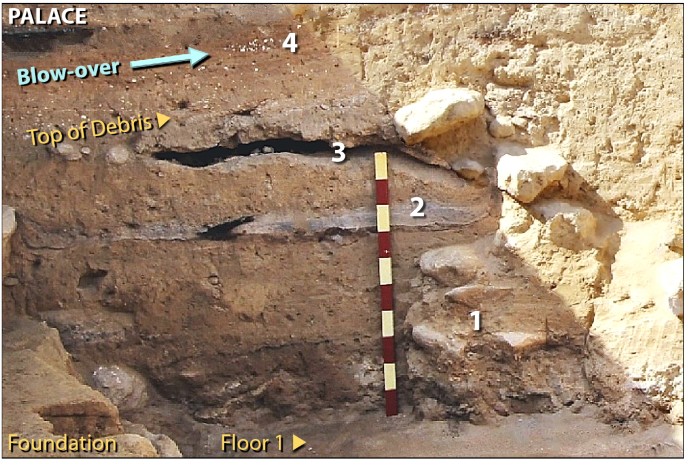
A destruction layer dated roughly ~1650 BC:
- a large prosperous city suddenly abandoned
- violently collapsed walls
- extreme temperatures (estimated ~2000°C)
- pottery melted into glass
- shocked quartz crystals (impact/explosion evidence)
- soil rich in salt → land uninhabitable ~600 years
Biblical account
Genesis 19:24–25
“The Lord rained down burning sulfur on Sodom and Gomorrah… and destroyed the cities.”
The description includes:
- fire from the sky
- instantaneous destruction
- a devastated and barren region afterward
What researchers suggest
Some geologists propose:
➡️ an airburst explosion (similar to Tunguska / atmospheric meteor)
This would produce:
- shockwave
- extreme heat
- total firestorm
- salt thrown across the plain
Bible – Archaeology correlation
| Biblical description | Discovery |
|---|---|
| fire from heaven | airburst explosion |
| total destruction | city instantly wiped out |
| cursed land | salinized soil |
| long abandonment | ~600 years uninhabited |
Important
Not all archaeologists agree this is Sodom.
The debate is still open.
But most accept:
➡️ a major Bronze Age city in Abraham’s era was destroyed by an extreme catastrophe in that region.
Conclusion
We do not have an inscription saying “this is Sodom,”
but we do have a real event that closely matches the biblical description.
Archaeology confirms a catastrophe.
The Bible provides its interpretation.
0 responses to “Tall el-HammamSodom and Gomorrah”