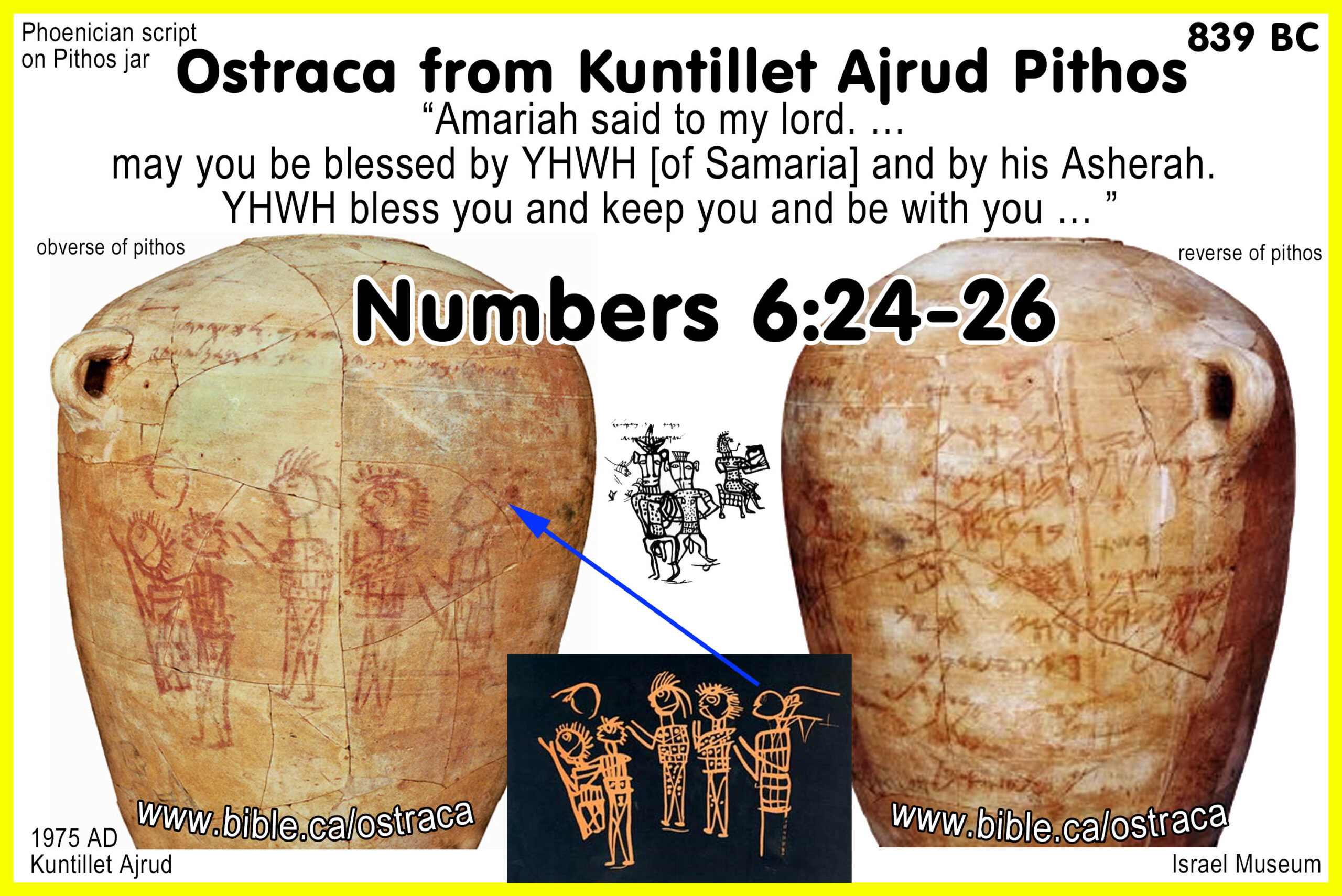
Archaeological Study: Kuntillet Ajrud
(One of the most important discoveries concerning the name of God — YHWH)
1. Location and historical context
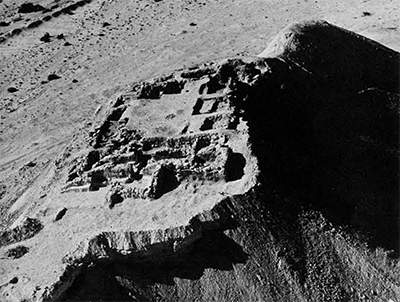
Kuntillet Ajrud is a site in northern Sinai on the trade route between:
- The Kingdom of Israel (Samaria)
- Judah (Jerusalem)
- Egypt
Dating: approx. 830–760 BC
It was likely a fortress + caravanserai where travelers stopped and sought divine protection.
2. Main discoveries
Found:
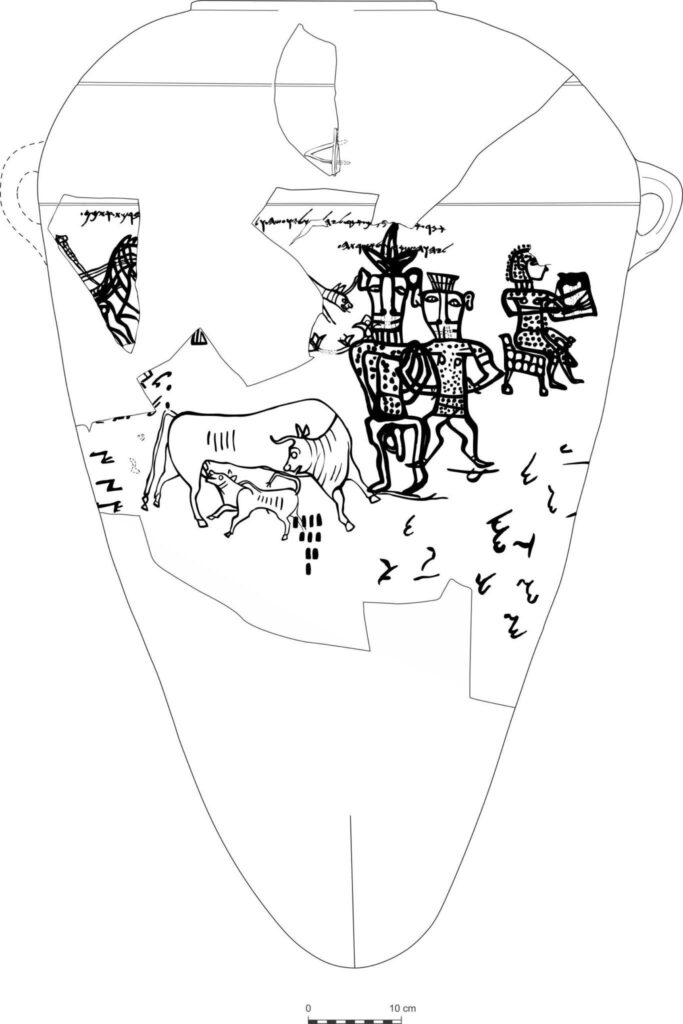
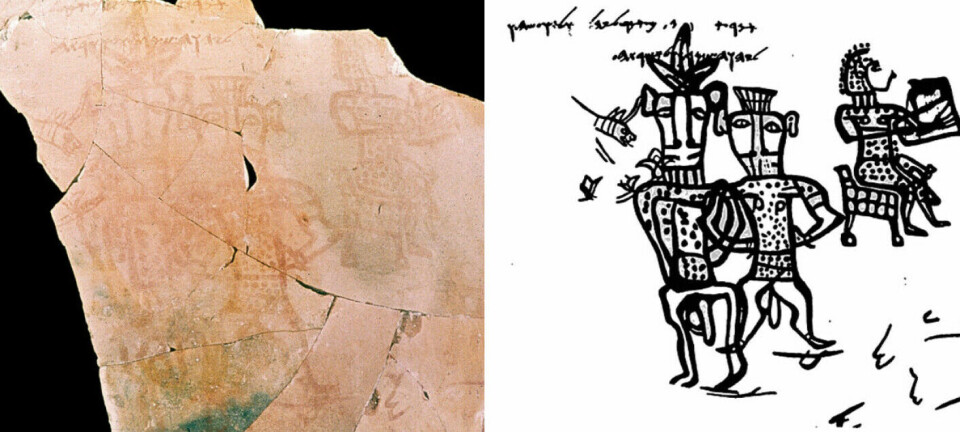
- large storage jars (pithoi)
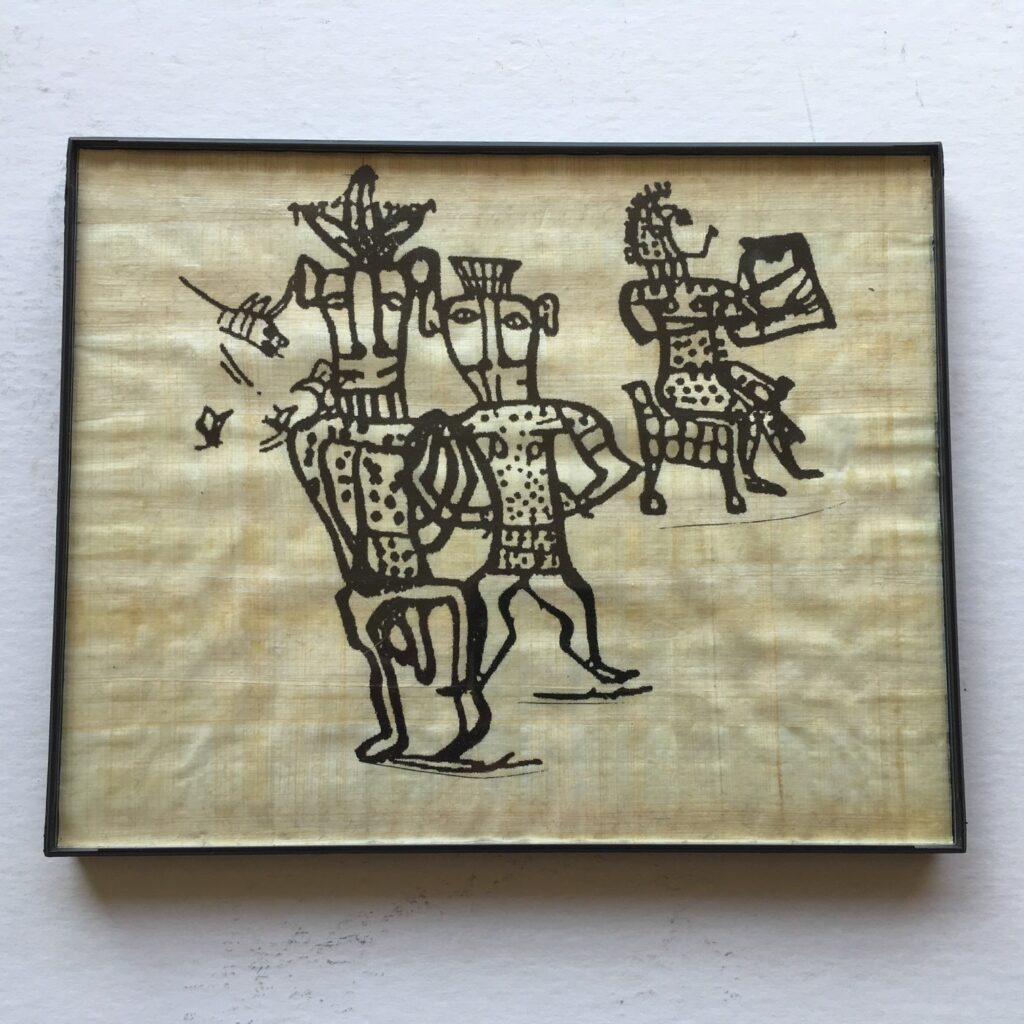
- painted walls
- ancient Hebrew inscriptions
Texts:
“I bless you by YHWH of Samaria and his Asherah”
“Blessed be you by YHWH of Teman”
3. Importance of the name YHWH
One of the oldest extra-biblical occurrences of the divine name YHWH.
Confirms:
- The God of the Bible was worshiped historically
- Regional centers of worship existed
- Early Israelite faith was not yet pure monotheism — it was monolatry
4. “His Asherah” — controversial part
Possible interpretations:
- sacred object
- Canaanite influence
- ritual term
Most archaeologists believe ancient Israel was transitioning from Semitic faith to biblical monotheism, just as the prophets describe.
5. What it says about the Bible
Confirms:
- the name YHWH existed before the final biblical text
- Israel had mixed faith practices
- an official cult existed in Samaria
6. Conclusion
Kuntillet Ajrud shows the Bible describes a real society struggling between idolatry and faith in one God.
Leave a Reply