The Artifact

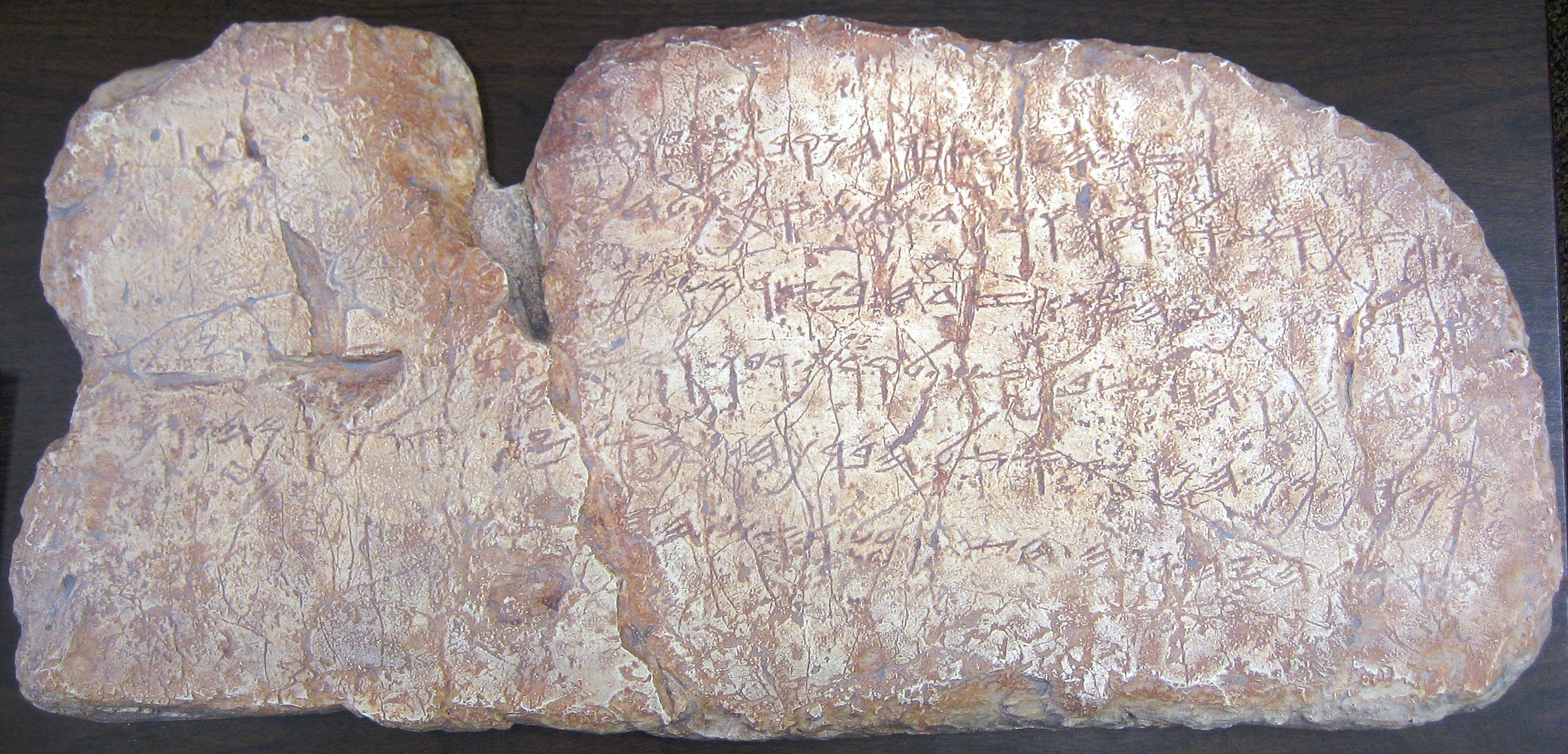


Location: Jerusalem – City of David
Date: ~701 BC (reign of King Hezekiah)
Length: ~533 meters
Type: rock-cut water tunnel
The tunnel was constructed to bring the waters of the Gihon Spring inside the city walls, protecting Jerusalem during the Assyrian siege.
1. Historical context
The Assyrian Empire, led by Sennacherib, invaded Judah.
Jerusalem was about to be besieged, and control of water was essential for survival.
King Hezekiah prepared the city for war through a military engineering project.
2. Parallel biblical account
2 Kings 20:20
“The rest of the acts of Hezekiah… how he made the pool and the conduit and brought water into the city…”
2 Chronicles 32:2–4
“They stopped all the springs… saying, Why should the kings of Assyria come and find much water?”
2 Chronicles 32:30
“Hezekiah stopped the upper outlet of the waters of Gihon and directed them down to the west side of the City of David.”
The Bible precisely describes the military purpose of the tunnel.
3. The Siloam Inscription
Inside the tunnel an ancient Hebrew inscription was discovered describing the final moment of construction.
The text recounts how two teams dug from opposite directions and met in the middle — a remarkable engineering achievement for the Iron Age.
This confirms both the construction method and the biblical period.
4. Direct comparison: Bible vs Archaeology
| Archaeology | Bible |
|---|---|
| Underground water tunnel | “brought water into the city” |
| Dated to Hezekiah’s era | Reign of Hezekiah |
| Defensive project | Preparation for siege |
| Diverts the Gihon Spring | Description in Chronicles |
5. Archaeological significance
The tunnel is not merely a ruin — it still carries water today.
It is one of the few biblical engineering works that can still be physically walked through exactly as it existed 2,700 years ago.
It confirms the account is not symbolic but describes a real military project.
Central idea of the study
Archaeology shows the king’s practical preparation.
The Bible shows the king’s spiritual trust.
History presents the walls and the water.
Scripture presents the faith behind them.
0 responses to “Hezekiah’s Tunnel”