1. What Is the True Fast in God’s Eyes?
Many people view fasting only as abstaining from food or as an outward religious practice. But the Bible shows that the fast pleasing to God is much more: it involves a change of heart and sincere closeness to God.
“Is it such a fast that I have chosen? a day for a man to afflict his soul?” (Isaiah 58:5, KJV)
God rejects fasting done only as ritual.
2. God Condemns Formal Fasting Without Justice and Love
In Isaiah 58, the people fasted, yet their lives did not change. They continued in selfishness and oppression.
“Behold, ye fast for strife and debate… ye shall not fast as ye do this day, to make your voice to be heard on high.” (Isaiah 58:4, KJV)
True fasting cannot be separated from obedience to God.
3. The Fast Pleasing to God Means Mercy and Freedom
God clearly explains what kind of fast He desires:
“Is not this the fast that I have chosen? to loose the bands of wickedness… and to let the oppressed go free?” (Isaiah 58:6, KJV)
True fasting includes breaking free from sin and ending injustice.
4. True Fasting Is Accompanied by Kindness and Generosity
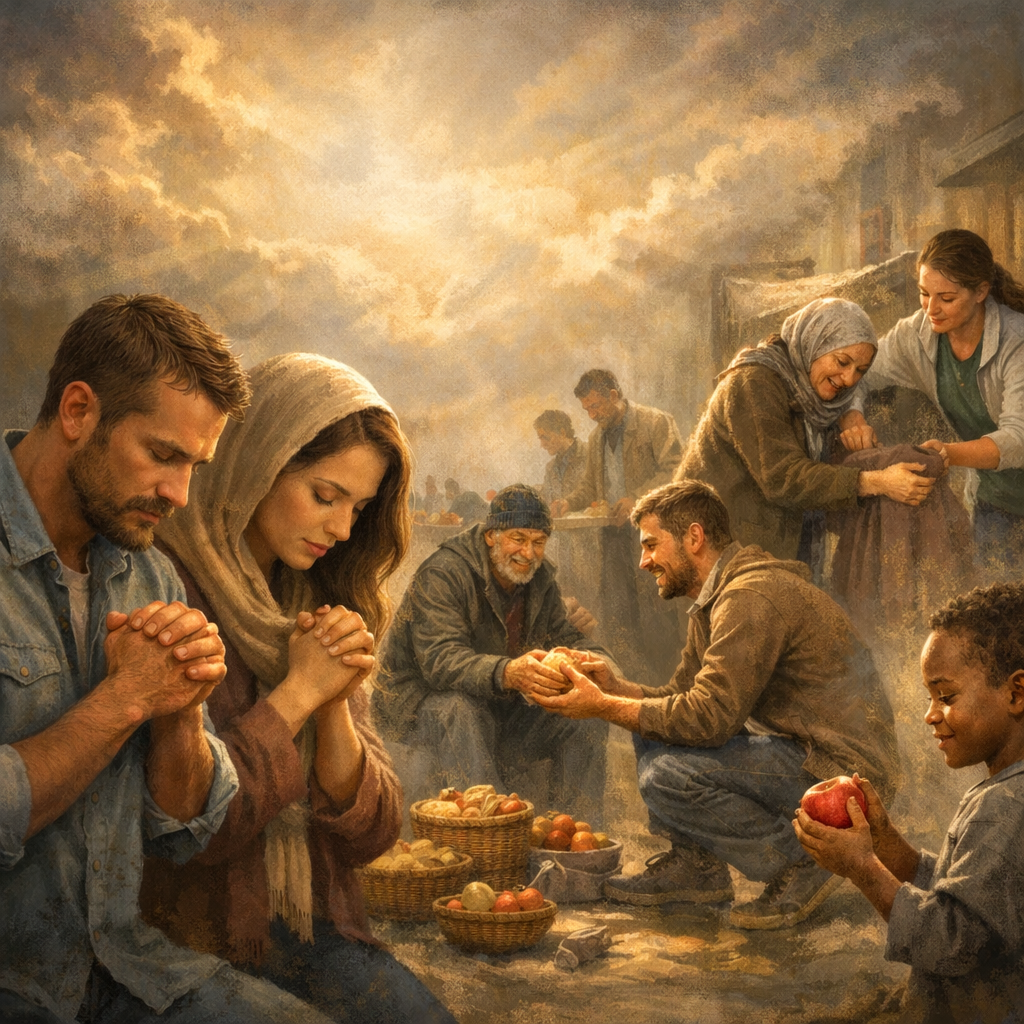
God commands that fasting must be connected with helping those in need:
“Is it not to deal thy bread to the hungry, and that thou bring the poor that are cast out to thy house?” (Isaiah 58:7, KJV)
Fasting is not only about “not eating,” but also about “feeding others.”
5. The Blessings of True Fasting
When a person fasts correctly, God promises spiritual light and healing:
“Then shall thy light break forth as the morning, and thine health shall spring forth speedily.” (Isaiah 58:8, KJV)
“Then shalt thou call, and the Lord shall answer.” (Isaiah 58:9, KJV)
The fast pleasing to God brings real closeness to Him.
6. Fasting Must Be Done With Humility, Not to Impress Men
Jesus warned that fasting should not become a religious display.
“Moreover when ye fast, be not, as the hypocrites, of a sad countenance.” (Matthew 6:16, KJV)
“But thou, when thou fastest, anoint thine head, and wash thy face.” (Matthew 6:17, KJV)
“And thy Father, which seeth in secret, shall reward thee openly.” (Matthew 6:18, KJV)
True fasting is for God, not for people.
7. Fasting Is Linked With Prayer and Seeking God’s Will
In Scripture, fasting is often accompanied by sincere prayer.
“And I set my face unto the Lord God, to seek by prayer and supplications, with fasting.” (Daniel 9:3, KJV)
Fasting is not a spiritual diet, but a time of drawing near to God.
8. Biblical Examples of Fasting Approved by God
Jesus Fasted Before His Ministry
“And when he had fasted forty days and forty nights, he was afterward an hungred.” (Matthew 4:2, KJV)
Fasting can prepare a person for spiritual trials.
Fasting in True Repentance (Nineveh)
“So the people of Nineveh believed God, and proclaimed a fast.” (Jonah 3:5, KJV)
God showed mercy because their repentance was sincere.
Fasting for Help and Guidance
“Then I proclaimed a fast… that we might afflict ourselves before our God, to seek of him a right way.” (Ezra 8:21, KJV)
9. Fasting Without Love Is Worthless
The apostle Paul teaches that any spiritual act without love is empty.
“And though I bestow all my goods to feed the poor… and have not charity, it profiteth me nothing.” (1 Corinthians 13:3, KJV)
Fasting must flow from love toward God and others.
10. True Fasting Is an Act of Humbling Oneself Before God
True fasting involves recognizing total dependence on God.
“I humbled my soul with fasting.” (Psalm 35:13, KJV)
God blesses humility, not religious pride.
11. True Fasting Leads to Obedience and Transformation
God desires not only a few days of abstinence, but a changed life.
“If thou take away from the midst of thee the yoke… then shall thy light rise in obscurity.” (Isaiah 58:9–10, KJV)
The fast pleasing to God transforms the heart.
Conclusion: What Does the Fast Pleasing to God Look Like?
The Bible teaches that true fasting is:
– done sincerely, not for show
-accompanied by prayer and repentance
-connected with mercy toward the poor
-a turning away from sin and oppression
– a real drawing near to God
“Is not this the fast that I have chosen… to deal thy bread to the hungry?” (Isaiah 58:6–7, KJV)
“Thy Father which seeth in secret shall reward thee openly.” (Matthew 6:18, KJV)