
The Flood and Its Traces in Nature
The biblical account
Genesis 7:19–20
“The waters rose greatly on the earth, and all the high mountains under the entire heaven were covered.”
Genesis 7:21–23
“Every living thing that moved on land perished… everything that had the breath of life.”
The Bible describes:
- a catastrophic water event
- massive loss of life
- a radical environmental change
- survival of a limited group of animals
1. Marine fossils on mountains


What is observed
Geologists have discovered:
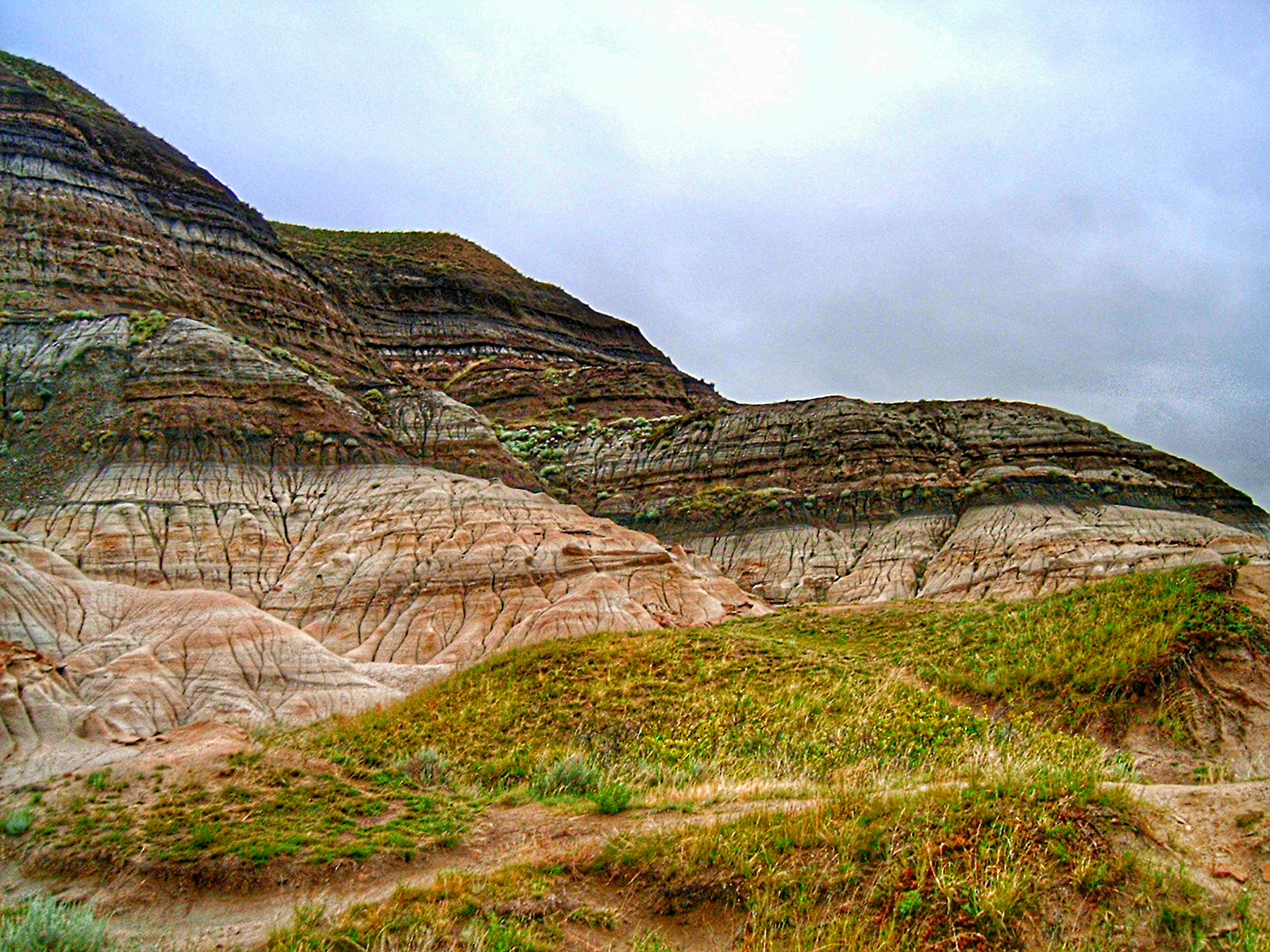
- shells and corals on mountain peaks
- marine limestone at extreme altitudes
- thick marine sediment layers kilometers deep
Examples:
- Himalayas (including Everest)
- Alps
- Andes
Interpretation
These rocks formed underwater and were later uplifted by tectonic processes.
They indicate major transformations of the Earth’s crust and environment in the geological past.
2. Mass disappearance of species

4
Paleontological observations
Rock layers contain:
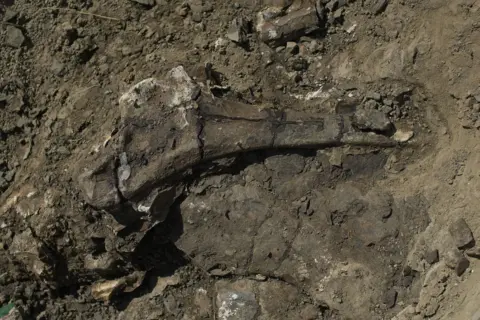
- animal graveyards buried simultaneously
- articulated skeletons (rapid death)
- marine and land animals mixed together
- rapid burial in wet sediment
Such fossils typically form during sudden catastrophic deposition rather than slow decay.
They indicate high-energy events with rapid sediment accumulation.
3. Universal flood traditions
Nearly all ancient civilizations preserve a flood story:
- Mesopotamia (Epic of Gilgamesh)
- Greece
- India
- China
- The Americas
Common elements:
- destruction of the world by water
- a family survives
- a vessel or refuge
4. Possible historical context
Archaeology in Mesopotamia shows major flood layers in ancient cities (Ur, Kish, Shuruppak).
These indicate extreme regional floods that strongly impacted early human memory.
Conclusion
There are three categories of indicators:
- major geological transformations
- rapid burial of living organisms
- widespread human memory of a great catastrophe
Central idea of the study
Nature preserves traces of a major catastrophe.
The Bible provides the theological interpretation of that catastrophe.
Science describes the effects.
Scripture describes the meaning.
Leave a Reply