The Artifact
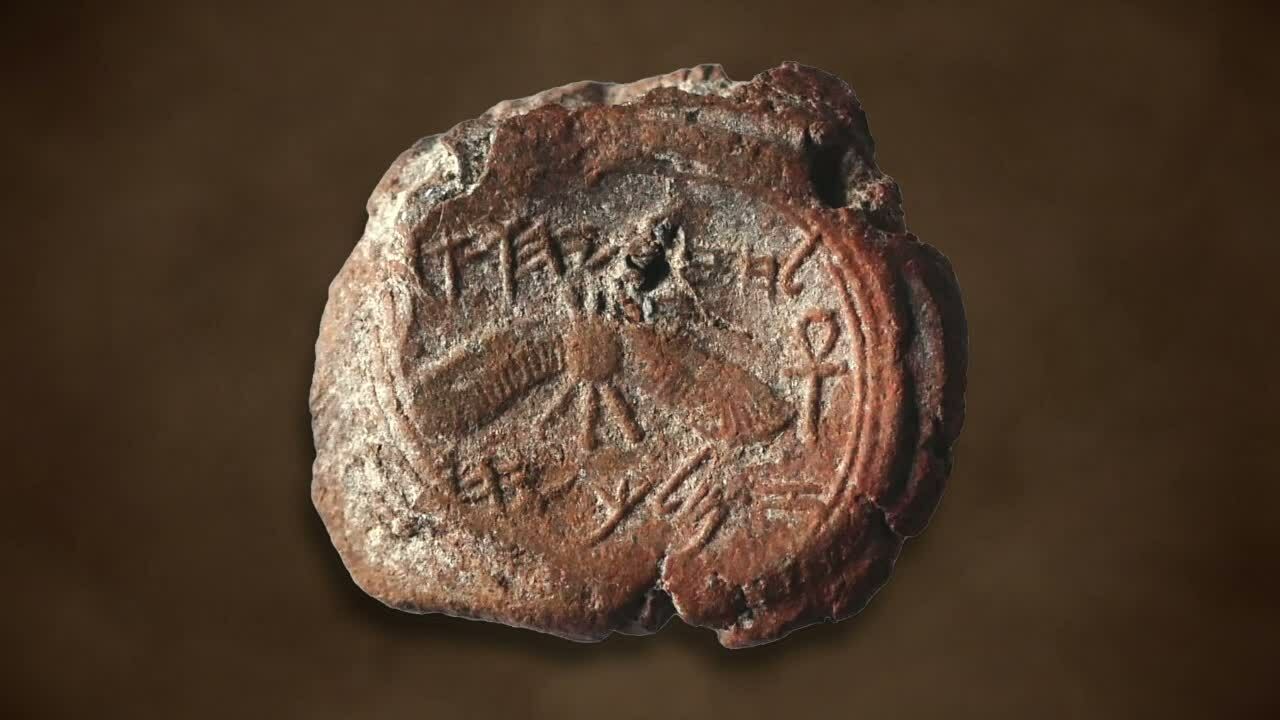
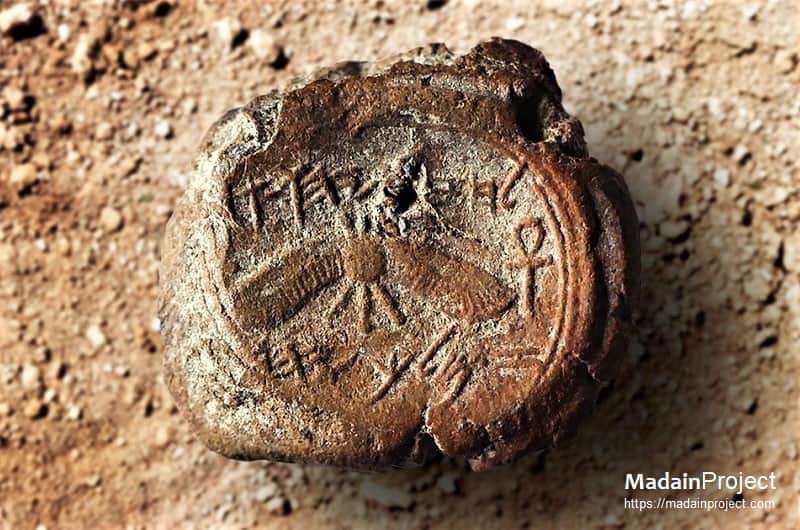

Discovered: 2015, Ophel – Jerusalem
Date: late 8th century BC (~700 BC)
Material: fired clay (bulla – seal impression)
Size: ~13 mm
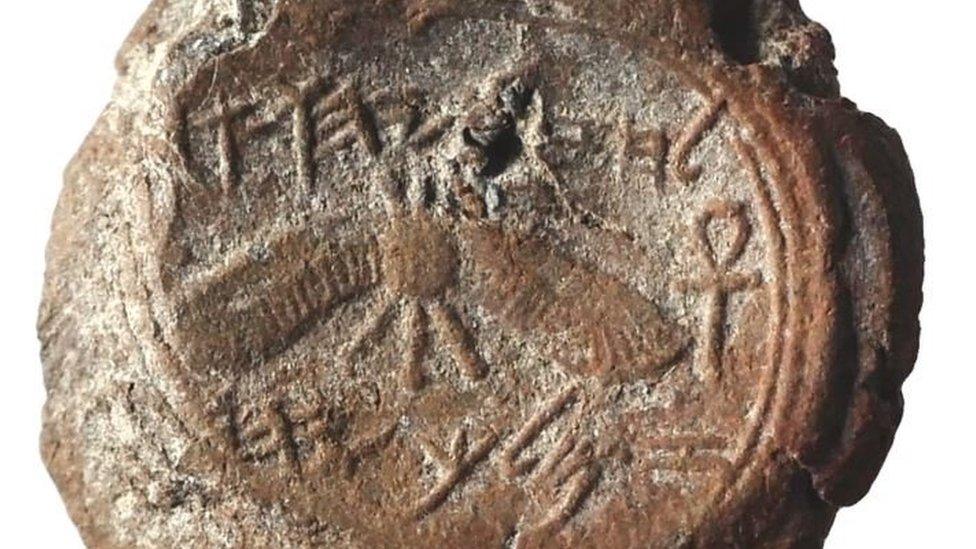
Paleo-Hebrew text:
“Belonging to Hezekiah [son of] Ahaz, king of Judah”
This is the first seal impression discovered in situ belonging to a biblical king of Judah.
1. Historical context
King Hezekiah ruled Judah during the expansion of the Assyrian Empire.
He initiated major reforms and centralized worship in Jerusalem.
Biblical account
2 Kings 18:3–4
“He did what was right in the sight of the Lord… he removed the high places and broke the sacred pillars.”
2 Chronicles 29:3
“In the first year of his reign he opened the doors of the house of the Lord and repaired them.”
2. What the seal represented
Bullae were used to seal official royal documents.
They functioned as a legal signature of state authority.
The seal shows:
- the existence of an organized royal administration
- official documents in the time of Hezekiah
- the real political position of the king
It is not a religious object — but an administrative one.
3. The symbolism of the seal
The seal depicts a winged solar scarab and symbols of Near Eastern royalty.
This reflects the cultural environment of the period:
the kings of Judah used international royal iconography while dedicating their reign to YHWH.
4. Direct comparison: Bible vs Archaeology
| Archaeology | Bible |
|---|---|
| “Hezekiah, son of Ahaz, king of Judah” | Exact biblical genealogy |
| Royal administration | The reforms and organization |
| Capital in Jerusalem | Accounts in Kings and Chronicles |
| Assyrian period | Sennacherib’s invasion |
5. Archaeological significance
The seal simultaneously confirms:
- the existence of the king
- the name of his father
- the royal title
- the historical period
It is a direct personal identification — the equivalent of a signature of a biblical figure.
Central idea of the study
Archaeology confirms the identity of the ruler.
The Bible describes the character of the ruler.
An object confirms the person.
Scripture explains his life.
Leave a Reply