Acum in engleza
Biblical–Archaeological Study: The Pontius Pilate Inscription
The Artifact

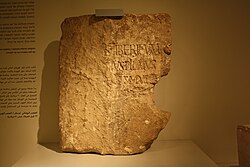
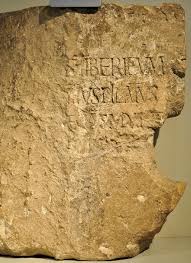
Discovered: 1961, Caesarea Maritima (Israel)
Date: ~AD 26–36
Material: limestone, Latin inscription
Kept at: Israel Museum, Jerusalem
This is the only known contemporary inscription that directly mentions the Roman governor who judged Jesus.
Reconstructed text:
Pontius Pilatus, Praefectus Iudaeae… dedicavit Tiberieum
(“Pontius Pilate, prefect of Judea… dedicated [this building] to Tiberius”)
1. Historical context
Pilate served as Roman governor of Judea from AD 26–36, appointed by Emperor Tiberius.
He was responsible for public order, taxation, and capital punishment.
Crucifixion was exclusively a Roman execution — therefore only he could authorize Jesus’ death.
2. Parallel biblical account
Matthew 27:24
“Pilate… took water and washed his hands before the crowd.”
John 19:15–16
“Then he delivered Him to them to be crucified.”
Luke 3:1
“…in the fifteenth year of the reign of Tiberius Caesar… when Pontius Pilate was governor of Judea…”
The Gospels present a real political figure, not a symbolic character.
3. Historical confirmation
Before 1961, some historians suggested Pilate might have been a literary Christian invention.
The inscription demonstrates:
- The exact name
- The exact title (prefect, not procurator — accurate for that period)
- The governing location
- The correct timeframe
4. Direct comparison: Bible vs Archaeology
| Inscription | Bible |
|---|---|
| Pontius Pilatus | Pontius Pilate |
| Prefect of Judea | Roman governor |
| During Tiberius’ reign | Gospel dating |
| Official authority | Issues the sentence |
5. Archaeological significance
This is one of the strongest historical confirmations related to the crucifixion narrative:
The crucifixion does not occur in an isolated theological story,
but within a verifiable Roman legal framework.
The central event of Christianity is anchored in a real imperial administration.
Central idea of the study
Archaeology confirms the person who signed the sentence.
The Bible explains the meaning of the sentence.
Leave a Reply