1) Discovery context
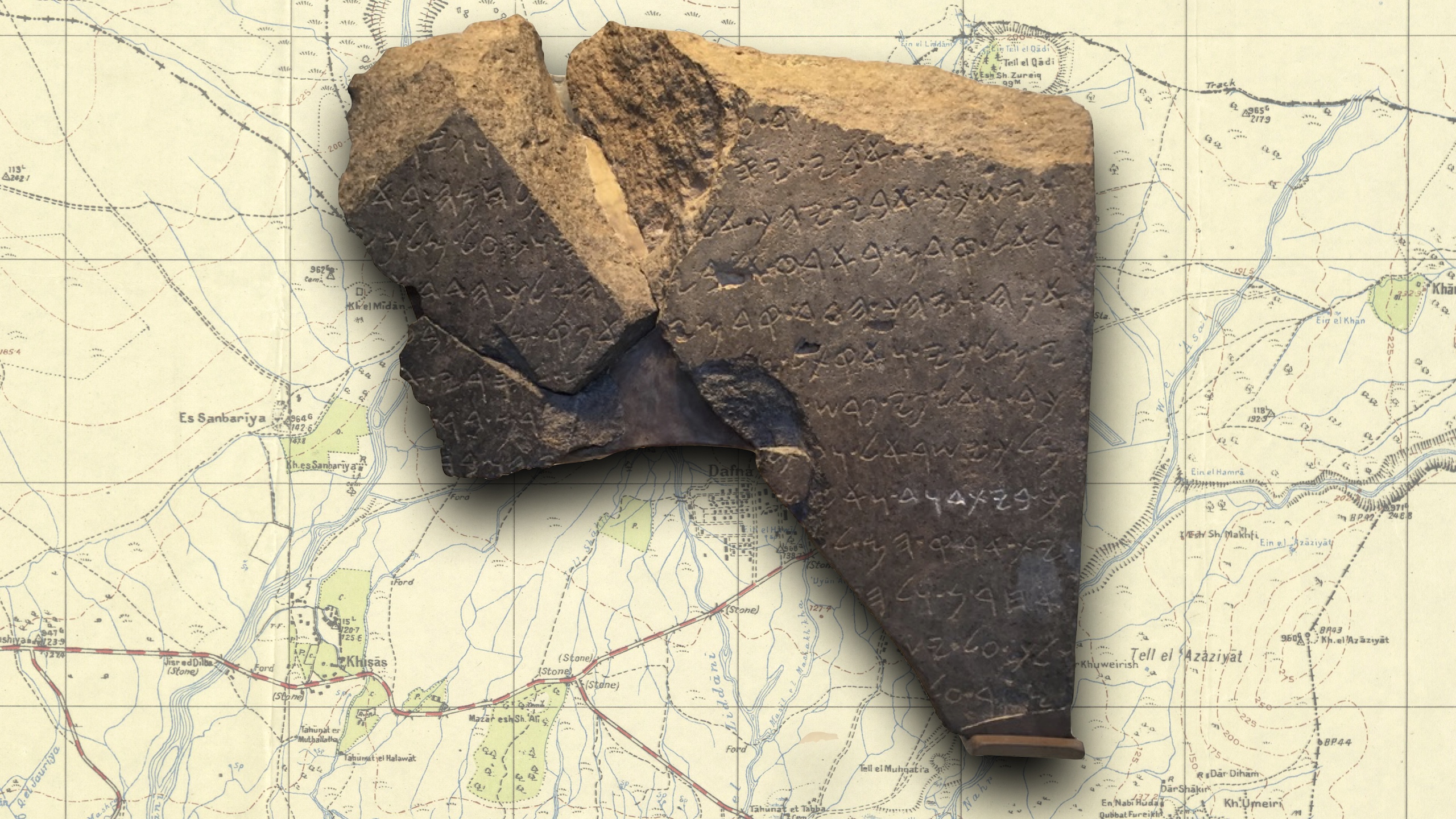
Location: Tel Dan, northern Israel near the Lebanese border
Discovered: 1993–1994
Archaeologist: Avraham Biran
Date of inscription: 9th century BCE (~840–800 BCE)
Material: black basalt
Language: Old Aramaic
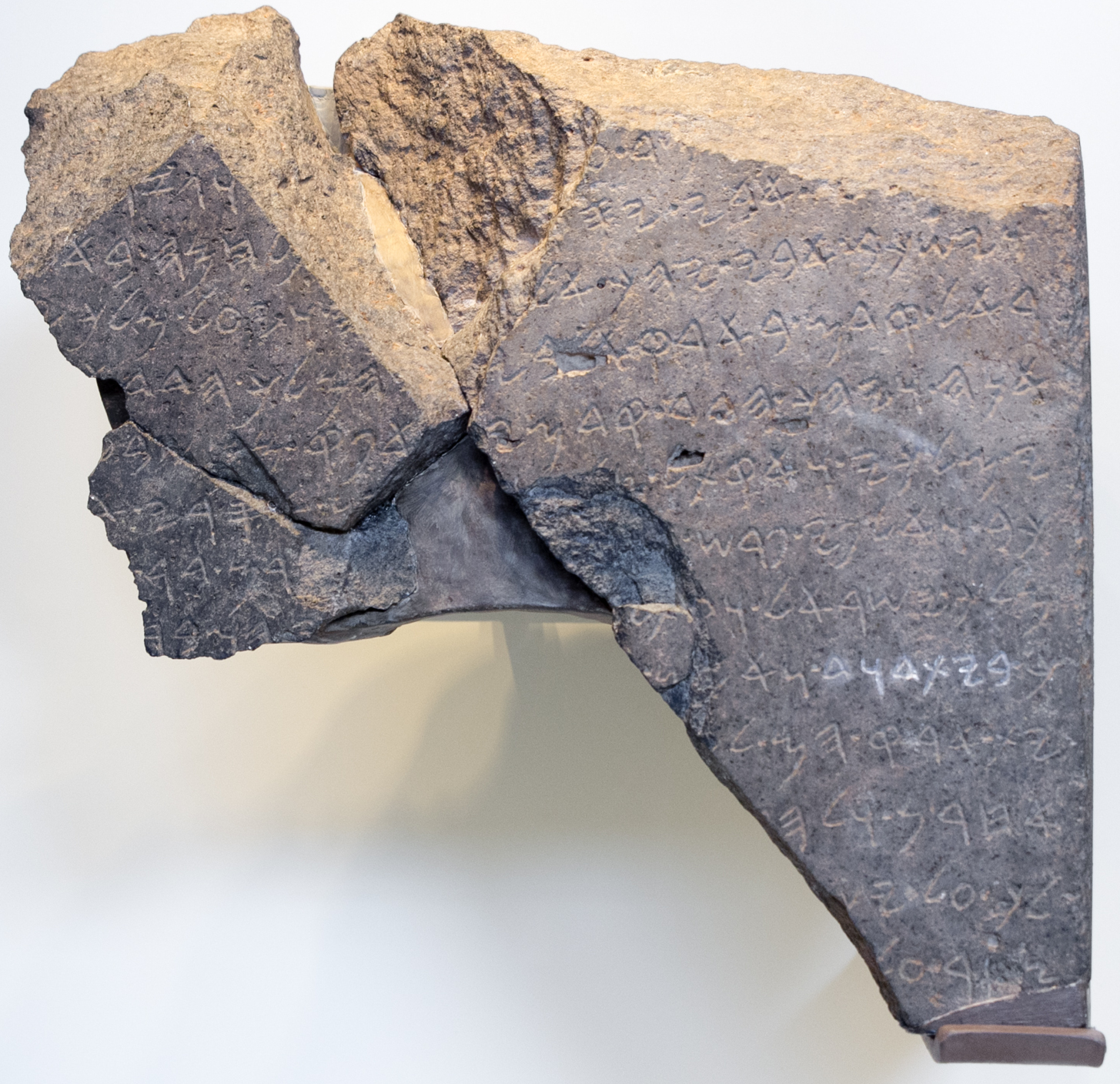
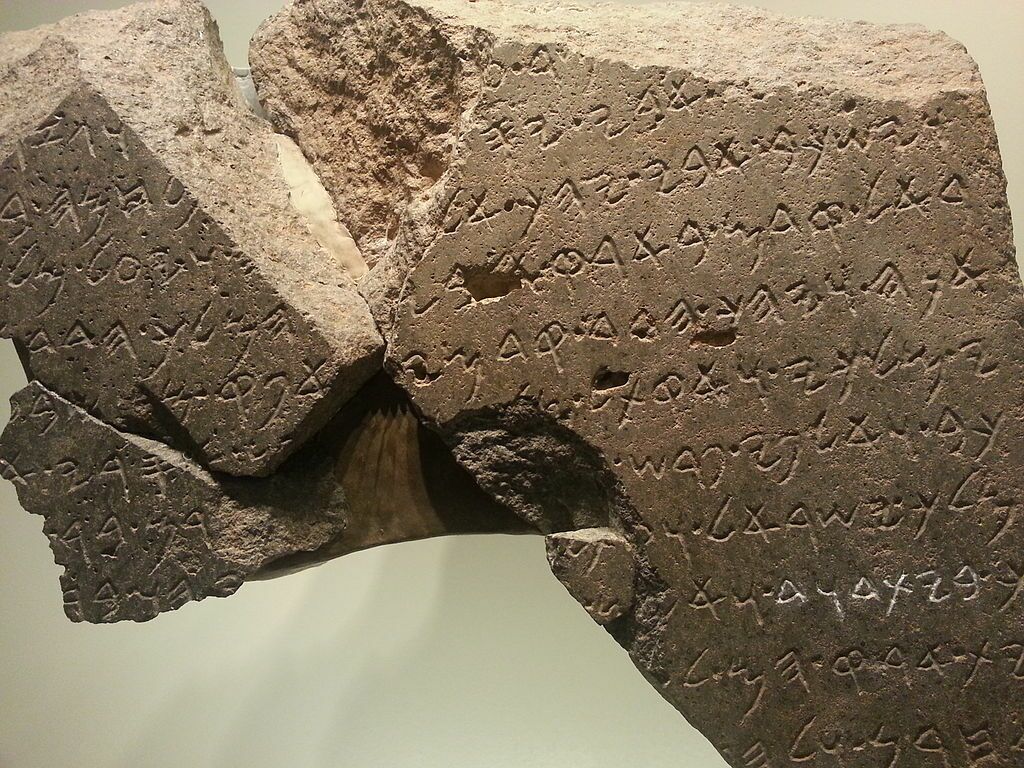
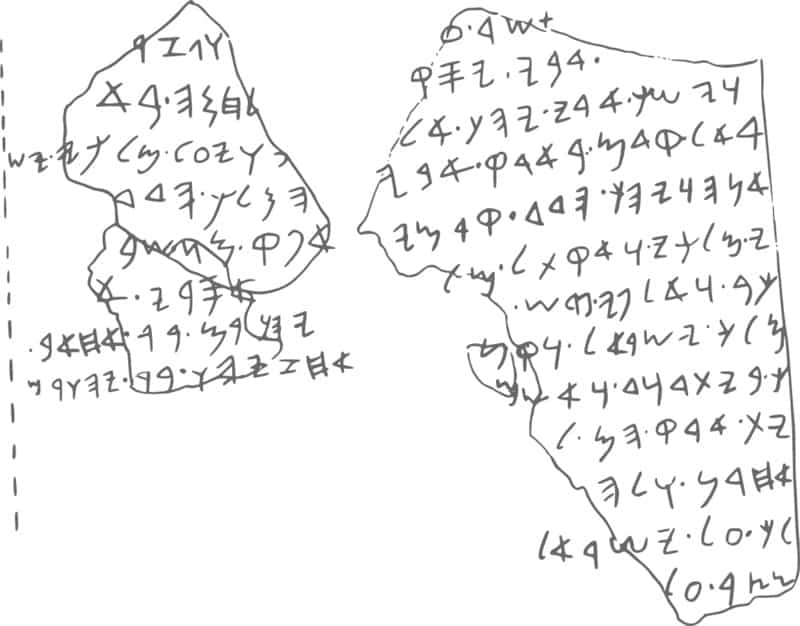
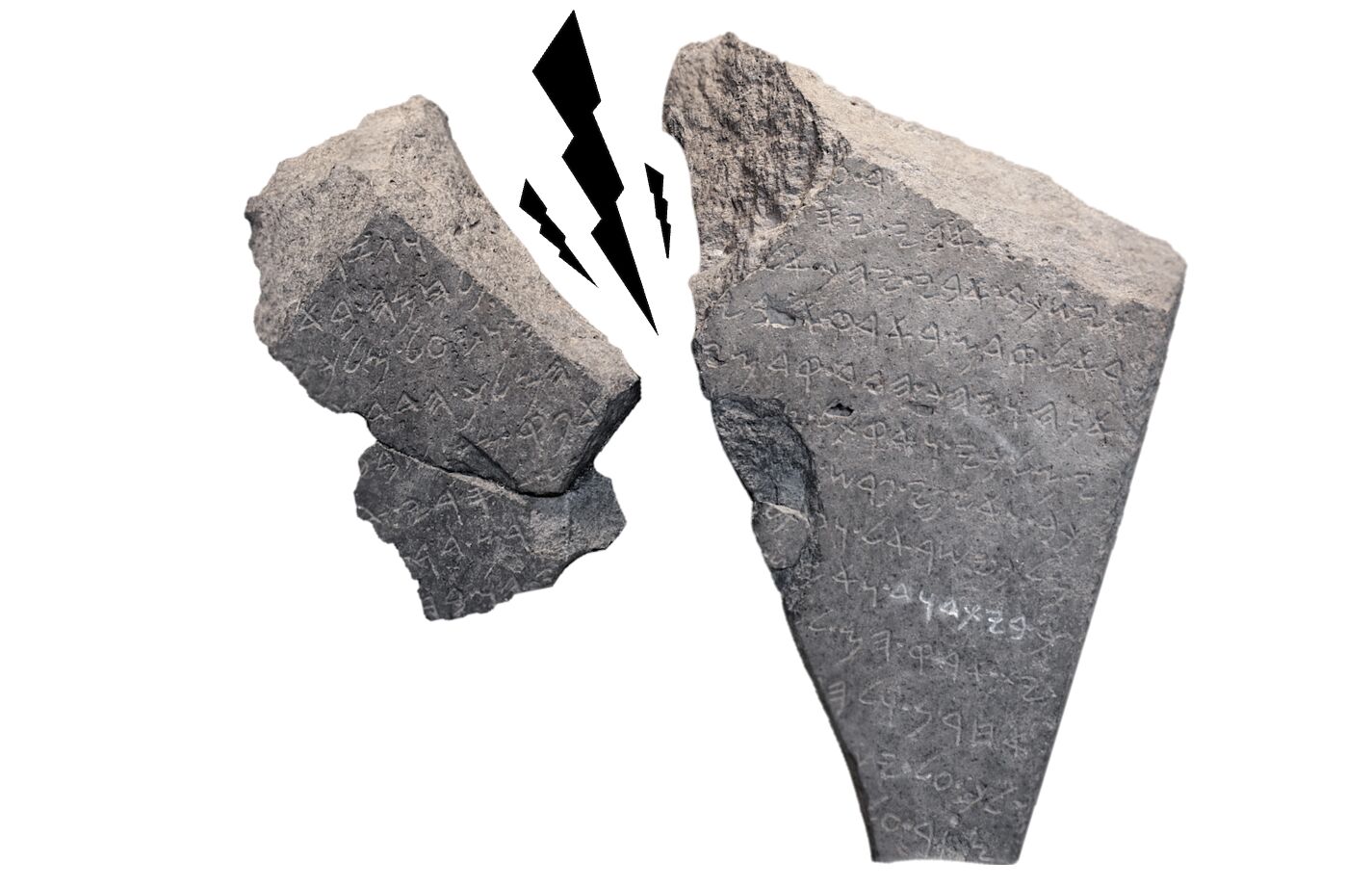
The fragments were found reused inside a wall (secondary use). This means the original monument had been intentionally destroyed and broken — probably after a conquest — and the pieces were reused as construction material.
Destroying a monument in the ancient Near East often meant erasing the political memory of the defeated ruler.
2) Content of the inscription
The stele is a victory inscription erected by an Aramean king, most likely:
👉 Hazael, king of Damascus
It describes a military campaign against Israel and Judah.
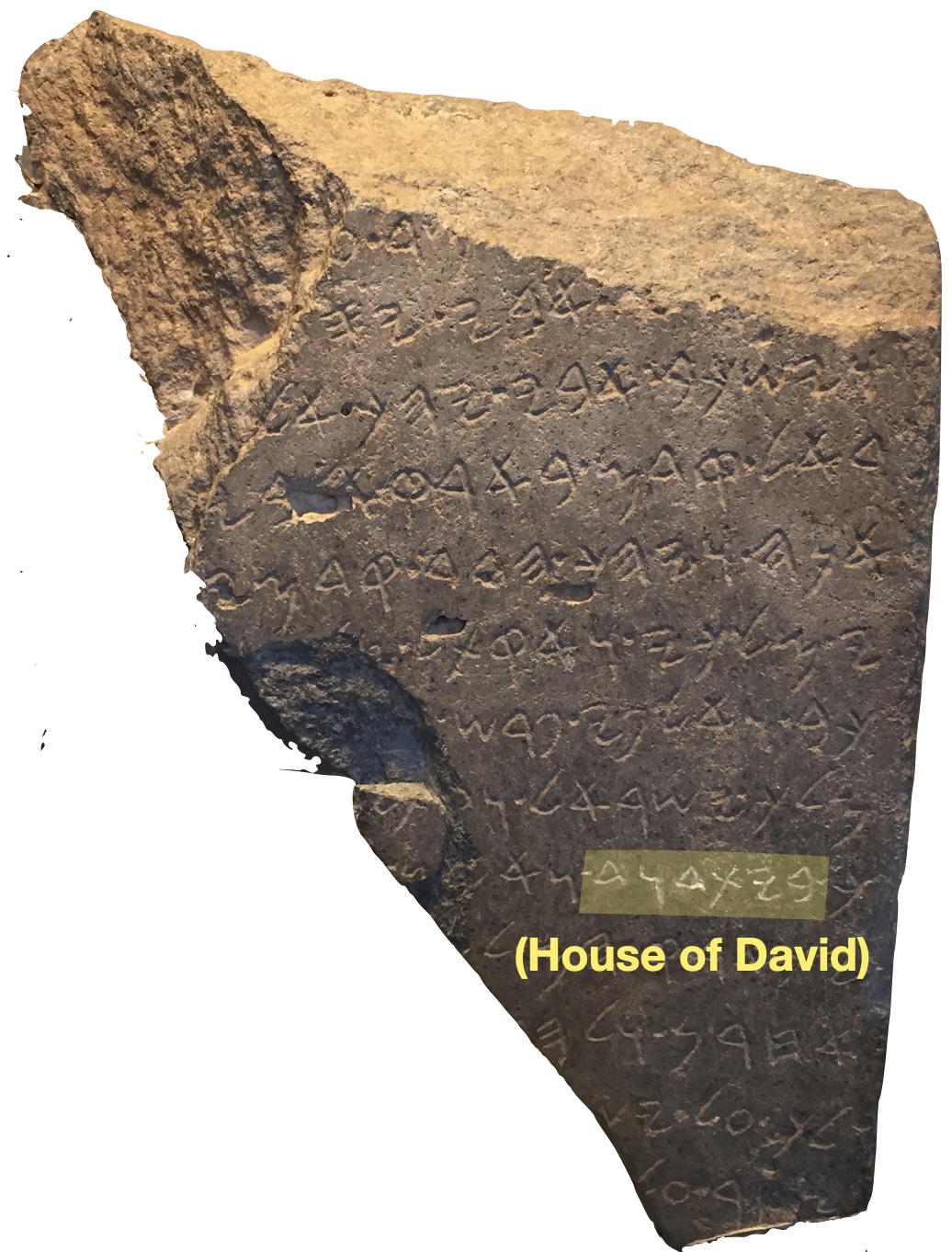
The famous fragment contains the expression:
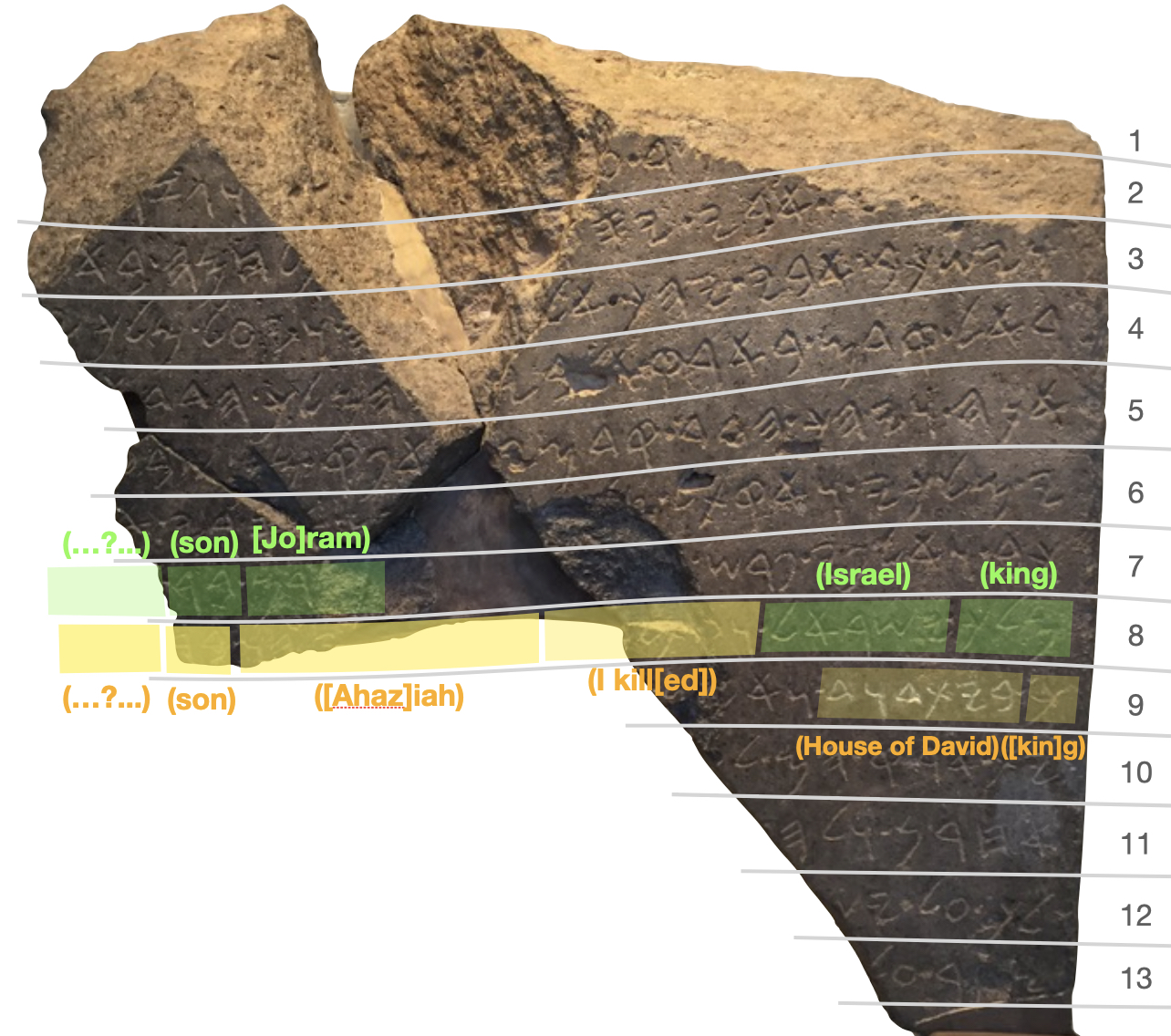
𐤁𐤉𐤕 𐤃𐤅𐤃 — BYTDWD (“House of David”)
3) Approximate translation of the main passage
Standard scholarly reconstruction (fragmentary):
“I killed the king of Israel
and I killed the king of the House of David
and I made their cities ruins.”
This corresponds to conflicts described in:
📜 Second Book of Kings (2 Kings 8–10)
4) Major importance — first extra-biblical reference to David
The Tel Dan Stele is considered by most scholars:
the first independent historical reference to King David
Before its discovery, David was known only from the biblical text.
What it demonstrates
- In the 9th century BCE there existed a dynasty known as the “House of David”
- Neighboring kingdoms recognized it politically
- Judah was a real state, not merely a late literary creation
In Near Eastern epigraphy, “House of X” is the standard designation for a ruling dynasty (compare the “House of Omri”).
5) Scholarly debate
Majority interpretation (≈90% of specialists)
“BYTDWD” = Beit David → Davidic dynasty
Supporting arguments:
- normal Aramaic grammar
- parallel dynastic formulas
- appropriate geopolitical context
Minority interpretations (largely abandoned)
- place name
- divine title
- clan designation
These fail linguistically in Semitic epigraphy.
6) Historical background — Aramean-Israelite wars
During the 9th century BCE:
- Aram-Damascus becomes a regional power
- Israel and Judah are smaller kingdoms
- conflicts center on trade routes and control zones
Hazael claims to have killed two kings, likely:
- Joram of Israel
- Ahaziah of Judah
The Bible attributes their deaths to Jehu — possibly competing royal propaganda traditions.
7) Dating methodology
The dating is considered highly reliable due to:
- archaeological stratigraphy
- paleographic letter forms
- historical synchronisms
- parallels with other Aramaic inscriptions
Accepted range: 840–800 BCE
8) Impact on biblical studies
| Before | After |
|---|---|
| David possibly literary | Historical dynasty recognized |
| United monarchy uncertain | Historical core probable |
| Bible purely theological | Contains political memory |
9) Academic conclusion
The Tel Dan Stele is one of the most important finds in biblical archaeology because it:
illustrates ancient political propaganda
confirms a Davidic dynasty
demonstrates Israel and Judah were real states
provides an external perspective on the biblical narrative
Leave a Reply