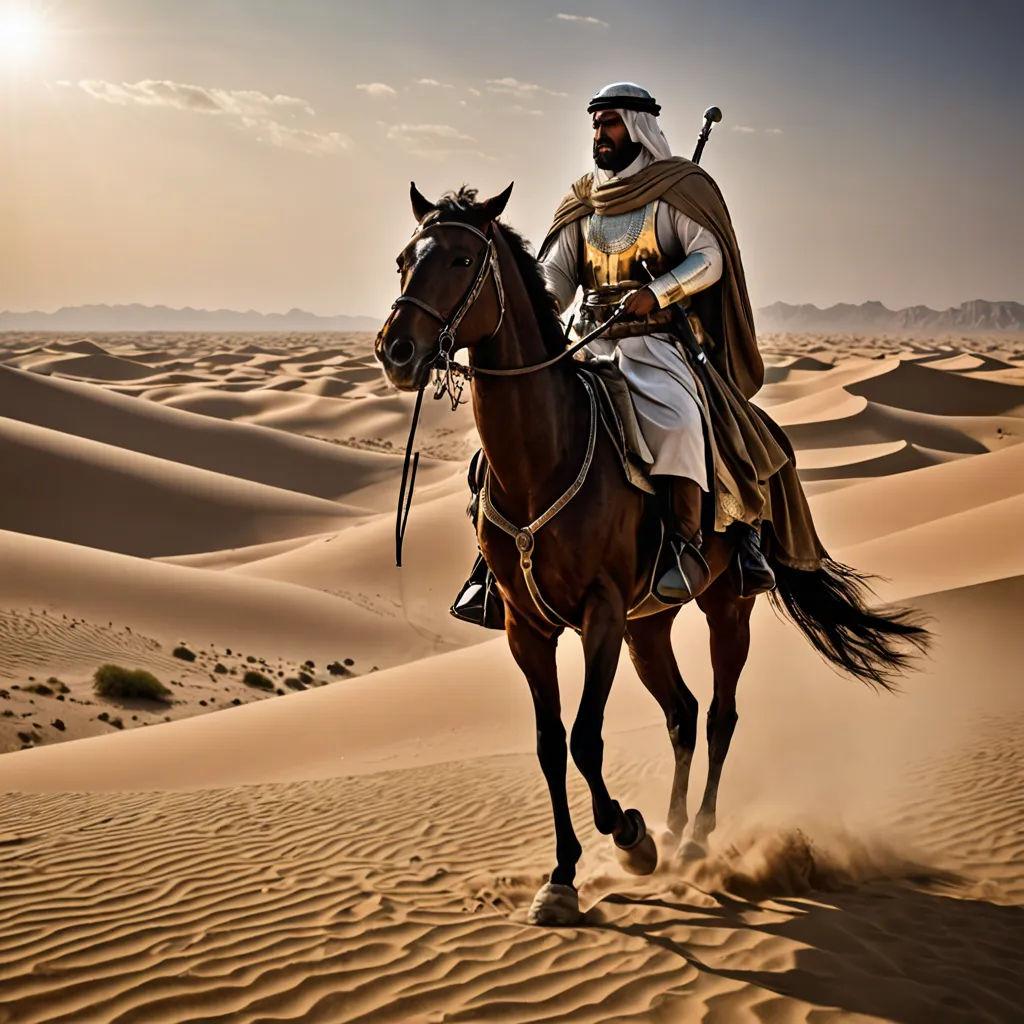
1. Who was Muhammad

Muhammad (c. 570–632 CE) is regarded as the founder of Islam and, in Islamic belief, the final prophet sent by God. He was born in Mecca in a tribal and largely polytheistic society.
At around age 40, he began receiving revelations through the angel Gabriel. These revelations were later compiled into the Quran.
2. His life and mission
Meccan period (610–622)
- Preached strict monotheism (belief in one God – Allah)
- Opposed idol worship
- Faced persecution
Hijra (622)
- Migrated to Medina
- Marks the beginning of the Islamic calendar
Medinan period (622–632)
- Became a religious, political, and military leader
- Organized a structured community
Return to Mecca (630)
- Conquered Mecca
- Dedicated the Kaaba to monotheistic worship
3. His wives


According to Islamic traditions, Muhammad had about 11 wives.
Notable among them:
- Khadijah
- Aisha
- Hafsa
- Zaynab bint Jahsh
Age of the youngest wife
Aisha is traditionally considered the youngest:
- Reported in Sahih al-Bukhari and Sahih Muslim:
- engagement at 6 years old
- marriage consummated at 9 years old
4. His political role
In Medina, Muhammad functioned as a political leader:
- Established the Constitution of Medina
- Unified tribes under one authority
- Created a legal and social framework
- Managed alliances and diplomacy
5. His military role
Muhammad also led military efforts:
- Key battles:
- Badr (624)
- Uhud (625)
- Trench (627)
- Organized defense and campaigns
- Strengthened the emerging Muslim community
Interpretations vary depending on religious and historical perspectives.
6. Where he appears in the Quran

In the Quran:
- Surah 47:2 – mentions Muhammad by name
- Surah 33:40 – “Seal of the Prophets”
- Surah 3:144 – messenger of God
7. What the Bible says about Muhammad
The Bible does not mention Muhammad directly.
- Some Islamic interpretations suggest indirect references
- However, the mainstream Christian understanding is clear:
The Bible does not support or affirm that Muhammad is a prophet.
There are no explicit biblical passages that identify or confirm him as a prophet of God.
8. Conclusion
Muhammad is a central historical and religious figure:
- Founder of Islam
- Religious, political, and military leader
From a biblical perspective, he is not recognized as a prophet, while in Islam he is considered the final prophet.
Sources
- Quran
🔗 https://quran.com - Bible
🔗 https://www.biblegateway.com - Sahih al-Bukhari
🔗 https://sunnah.com/bukhari - Sahih Muslim
🔗 https://sunnah.com/muslim - The Life of Muhammad
🔗 https://archive.org/details/IbnIshaq-SiratRasulAllah - Encyclopaedia Britannica – Muhammad
🔗 https://www.britannica.com/biography/Muhammad - Oxford Islamic Studies
🔗 http://www.oxfordislamicstudies.com