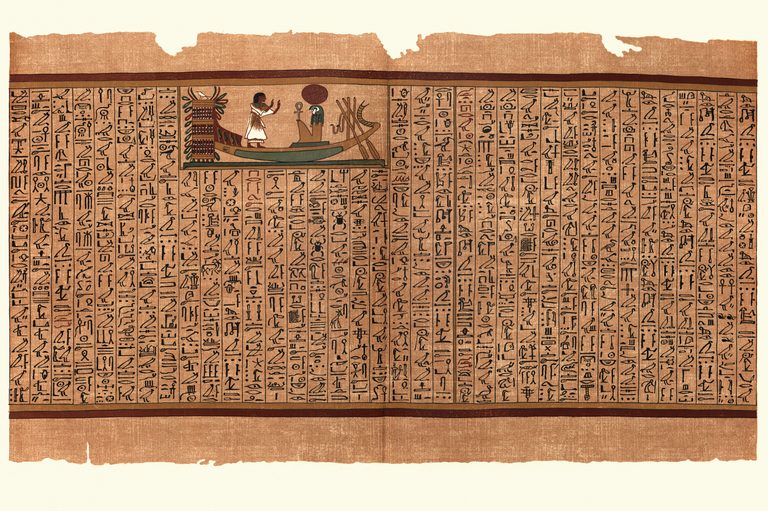
1. What the Ipuwer Papyrus Is
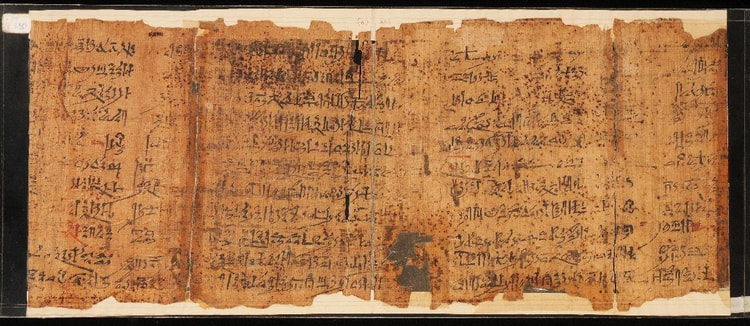
The Ipuwer Papyrus (also known as Admonitions of Ipuwer) is an ancient Egyptian document preserved in the museum Rijksmuseum van Oudheden in Leiden, Netherlands.
Main characteristics:
- Catalog number: Leiden I 344
- Language: ancient Egyptian (hieratic script)
- Date of the existing copy: approximately 13th century BC
- Probable original composition: Middle Kingdom of Egypt (approx. 1900–1700 BC)
The text is written as a poetic lament in which an Egyptian named Ipuwer describes a period of disaster, social chaos, and collapse of order in Egypt.
Many Bible researchers have noticed similarities between these descriptions and the events recorded in the biblical book of Exodus.
2. Content of the Papyrus
The text describes a series of natural and social catastrophes affecting Egypt:
- the water of the Nile becomes like blood
- death and suffering are everywhere
- social order is overturned
- slaves become free
- the rich become poor
The description is presented in a dramatic tone, as a lament over the destruction of the land.
3. Parallels with the Biblical Account of Exodus
1. The Nile Turns to Blood
The Ipuwer Papyrus states:
“The river is blood, and people shrink from drinking from it.”
The Bible records:
“All the water in the river was turned to blood.”
— Exodus 7:20–21
This is one of the most frequently cited parallels between the Egyptian text and the biblical narrative.
2. Death Throughout Egypt
The papyrus says:
“Plague is throughout the land. Blood is everywhere.”
The Bible states:
“There was a great cry in Egypt, for there was not a house where there was not someone dead.”
— Exodus 12:30
3. Slaves Become Free
The papyrus mentions:
“Those who were slaves have become masters.”
The Bible records the liberation of the Israelites:
“The Lord brought Israel out of Egypt.”
— Exodus 12:41
4. The Wealth of Egypt Is Taken
The papyrus says:
“Gold and jewelry are worn by servants.”
The Bible states:
“The Israelites asked the Egyptians for articles of silver and gold and for clothing.”
— Exodus 12:35–36
4. Discovery of the Papyrus
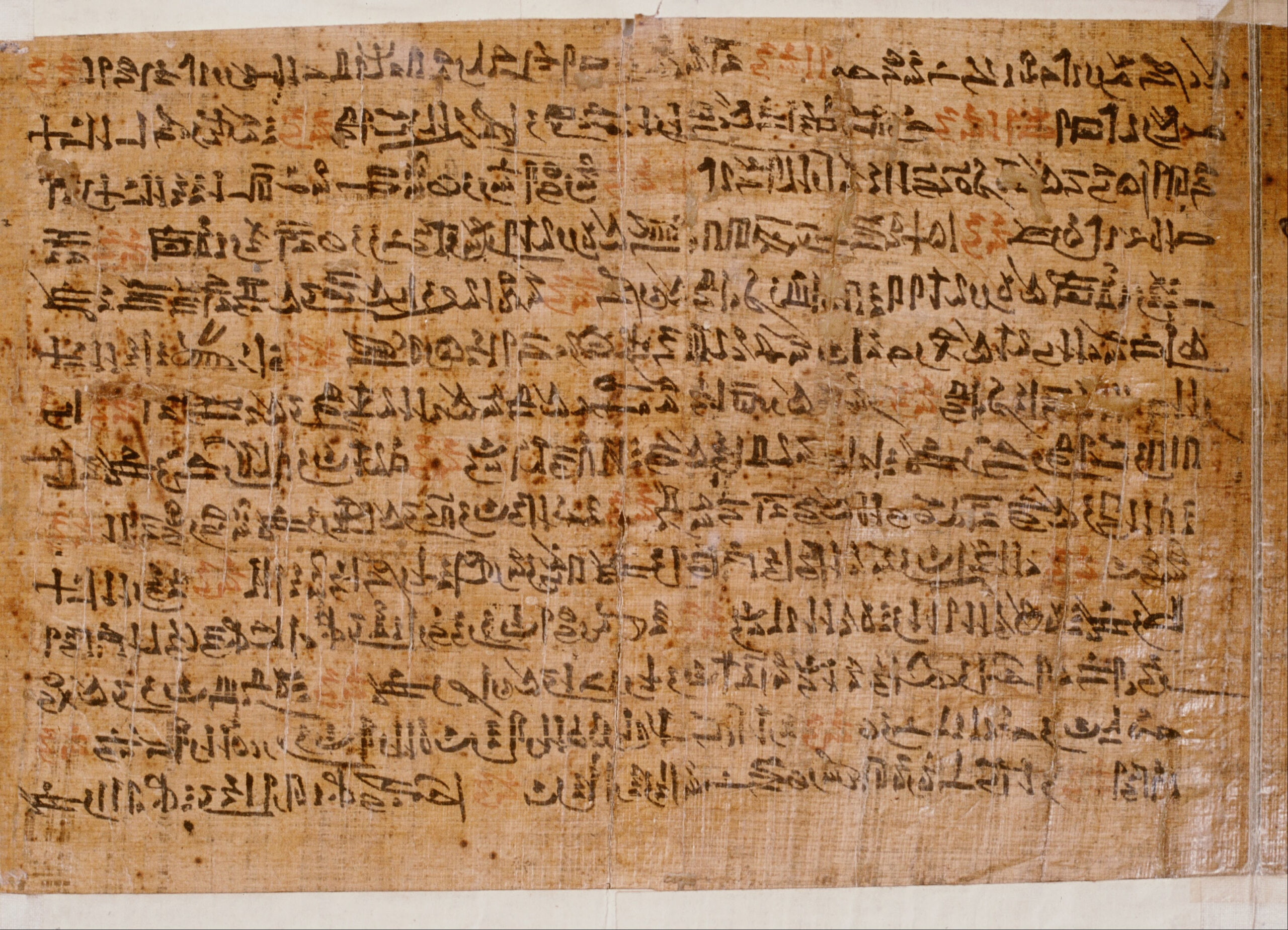
The papyrus was discovered in the 19th century and later published and translated by the Egyptologist Alan Gardiner in 1909.
He published the document under the title:
“The Admonitions of an Egyptian Sage.”
The manuscript is damaged and incomplete, which makes some passages difficult to translate or interpret.
6. Archaeological Significance
The Ipuwer Papyrus is important because:
- it confirms that ancient Egypt experienced periods of major crisis
- it describes natural and social disasters
- it may provide historical context for events similar to those described in the book of Exodus
Although scholars differ in their interpretations, the document is considered one of the most interesting Egyptian texts in discussions about the historicity of the biblical account in Exodus.
7. Conclusion
The Ipuwer Papyrus describes a period of:
- social chaos
- natural disasters
- suffering in Egypt
- reversal of the social order
Several of its descriptions resemble events recorded in the biblical book of Exodus.
Although scholars do not fully agree on whether the papyrus directly describes the events of the Exodus, the document remains one of the most fascinating archaeological parallels to the biblical account of the plagues of Egypt.